If you are getting ready to sell in Seal Beach, it is easy to wonder whether you should remodel first or list now. The short answer is usually no to a major renovation, yes to smart prep. In a market where buyers are active but still selective, the right updates can help your home feel more move-in ready without eating into your equity. Let’s dive in.
Seal Beach Sellers Still Need Presentation
Seal Beach remains a seller-leaning market, but that does not mean every home sells at top dollar regardless of condition. In March 2026, there were about 156 homes for sale, the median list price was $1.75 million, median days on market were 50, and homes sold for about 99% of asking price on average.
That tells you something important. Buyers are still out there, but they are comparing condition, price, and overall value. If your home feels dated, cluttered, or unfinished, buyers may still make offers, but they may not stretch to your best possible number.
When Renovating Before Selling Makes Sense
Pre-sale work usually makes sense when the updates are visible, affordable, and fast. You want changes that improve first impressions and help buyers picture themselves living in the home.
Buyer research supports that approach. Zillow found that 43% of new-construction buyers said a home with no needed repairs or updates was their top reason for buying, and 74% ranked it in their top three. That move-in-ready feeling matters, even when buyers are shopping resale homes.
Focus on Cosmetic Improvements
In Seal Beach, the safest pre-listing bets are often simple cosmetic updates rather than major construction. These projects can refresh your home without dragging your timeline out for weeks.
Good examples include:
- Deep cleaning
- Decluttering
- Interior paint
- New carpet or flooring in worn areas
- Updated light fixtures
- Fresh caulking and touch-up work
- Landscaping cleanup
- Minor curb appeal improvements
The city also exempts certain finish work from permits, including painting, tiling, carpeting, cabinets, countertops, and similar finish work. That can make smaller refresh projects easier to complete before listing.
Prioritize Curb Appeal
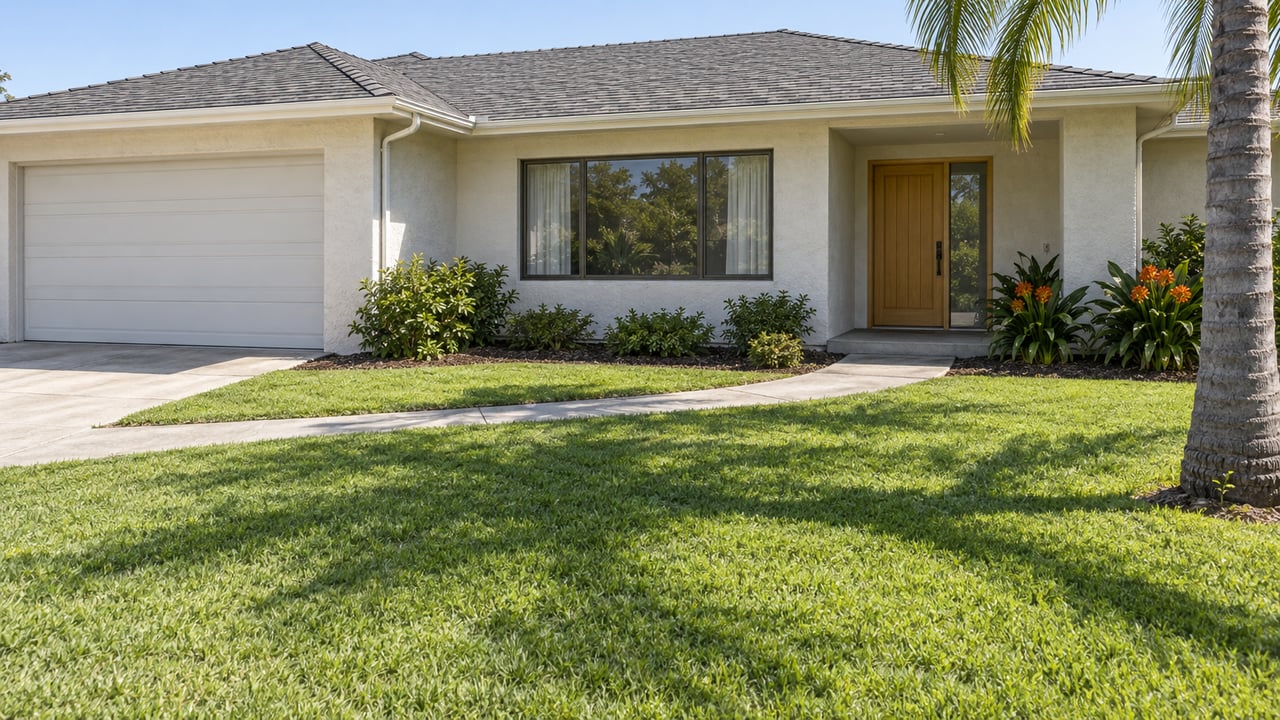
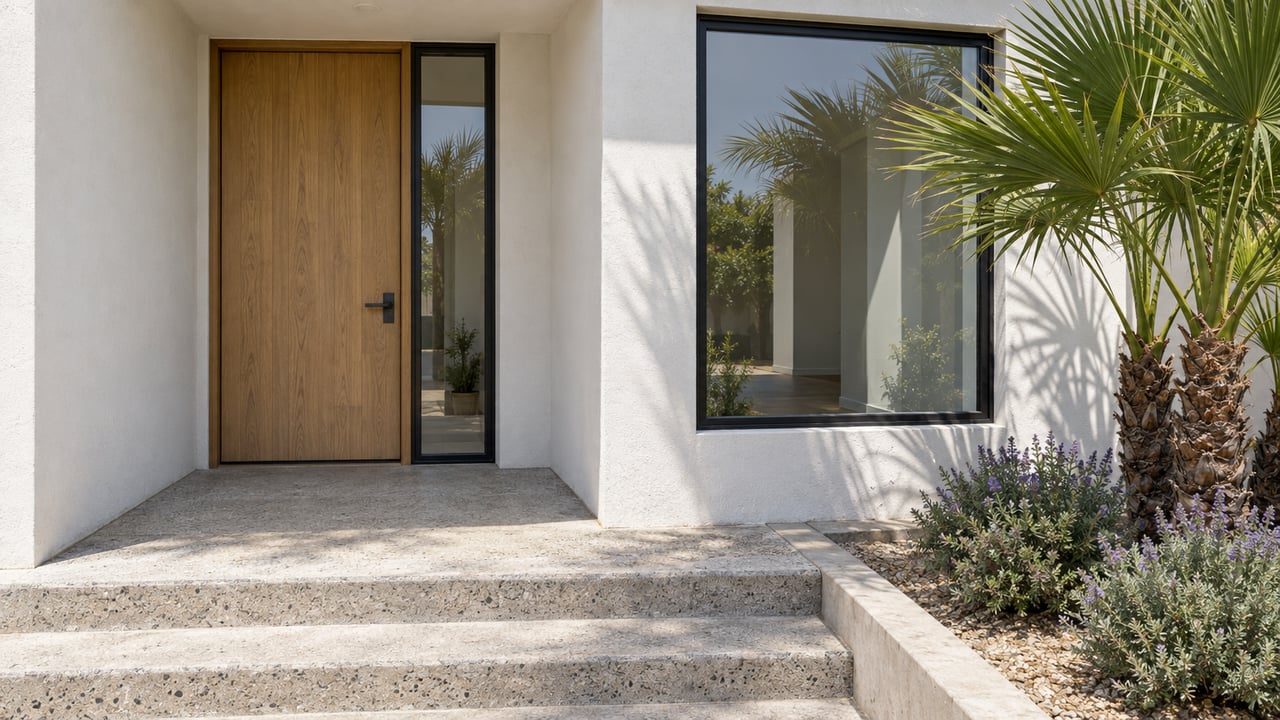
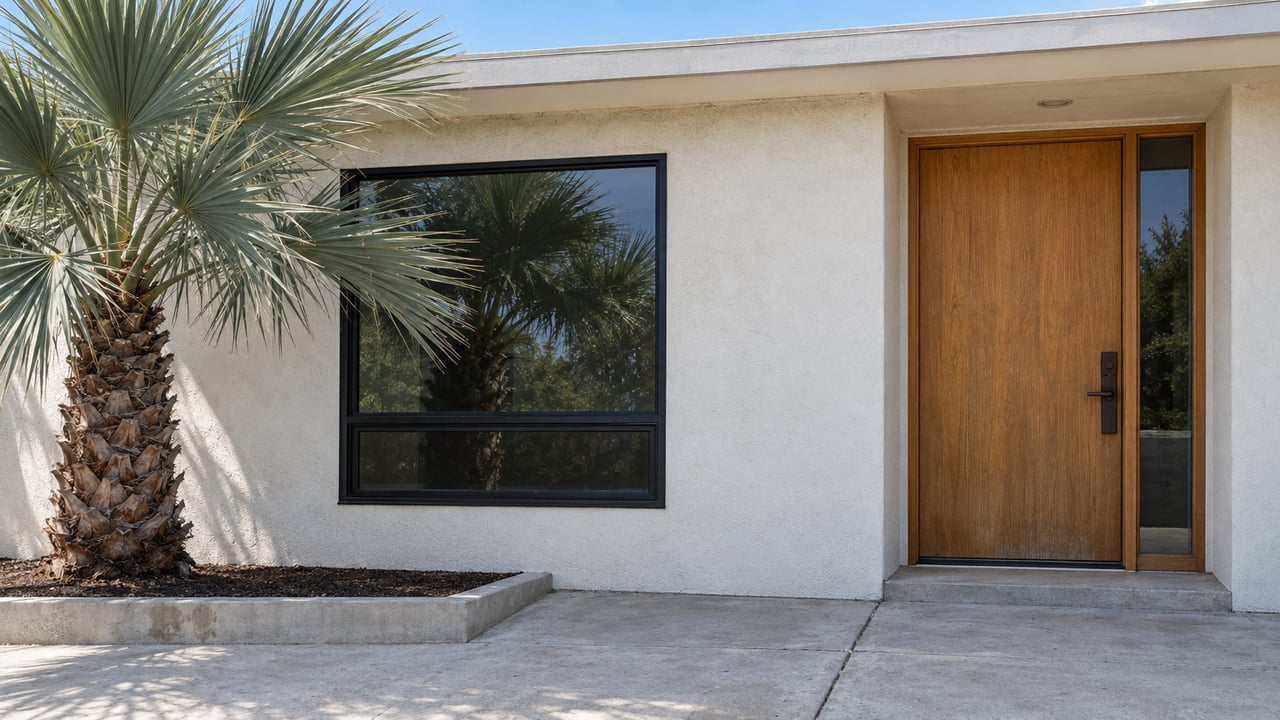
If your exterior looks tired, start there. Buyers form an opinion before they ever walk through the front door, and exterior upgrades have some of the strongest resale numbers in the Pacific region.
According to the 2025 Pacific Cost vs. Value report, garage door replacement had a cost recoup of 262%, and steel entry door replacement recouped 216.4%. Those are regional benchmarks, not Seal Beach guarantees, but they point to a practical truth: high-visibility exterior improvements often outperform expensive interior remodels.
When Renovating Before Selling Does Not Make Sense
A full remodel is often the wrong move if your goal is to maximize net proceeds. Large kitchen and bath renovations can be expensive, time-consuming, and harder to recapture when you sell.
In the same Pacific region report, a midrange minor kitchen remodel recouped 112.9%, but a midrange major kitchen remodel recouped just 57.2%. An upscale major kitchen remodel recouped 38.8%, and an upscale bath remodel recouped 44.5%.
Skip the Big Project If Timing Matters
If you need to move quickly, major renovation work can create more stress than value. Seal Beach notes that additions, conversions, remodels, and tenant improvements are subject to planning approval, most projects require plan check, and review can take about 3 to 4 weeks after plans are accepted.
That means a bigger project can push your sale back before construction even really begins. Add contractor scheduling, material delays, and carrying costs, and the math often stops working in your favor.
Avoid Over-Improving for the Sale
You also want to be careful about making highly personal design choices right before listing. Buyers may appreciate clean and updated finishes, but they may not pay extra for luxury materials or a style they plan to change later.
In many cases, it is smarter to present a clean, polished, well-marketed home than to spend heavily on finishes that only recover part of their cost.
The Best Pre-Listing Strategy in Seal Beach
For most sellers, the best strategy is a narrow, disciplined plan. Instead of asking, “Should I renovate everything?” ask, “What will buyers notice first, and what will help my home show better right now?”
That usually leads to a more profitable answer.
Start With the Basics
Before you price out any remodel, handle the items that improve presentation fast:
- Clean every room thoroughly
- Remove excess furniture and personal items
- Repair obvious cosmetic flaws
- Freshen paint where needed
- Improve landscaping and entry appeal
- Make sure lighting is bright and consistent
These changes help your listing photos stand out and make in-person showings feel stronger.
Use Staging Strategically
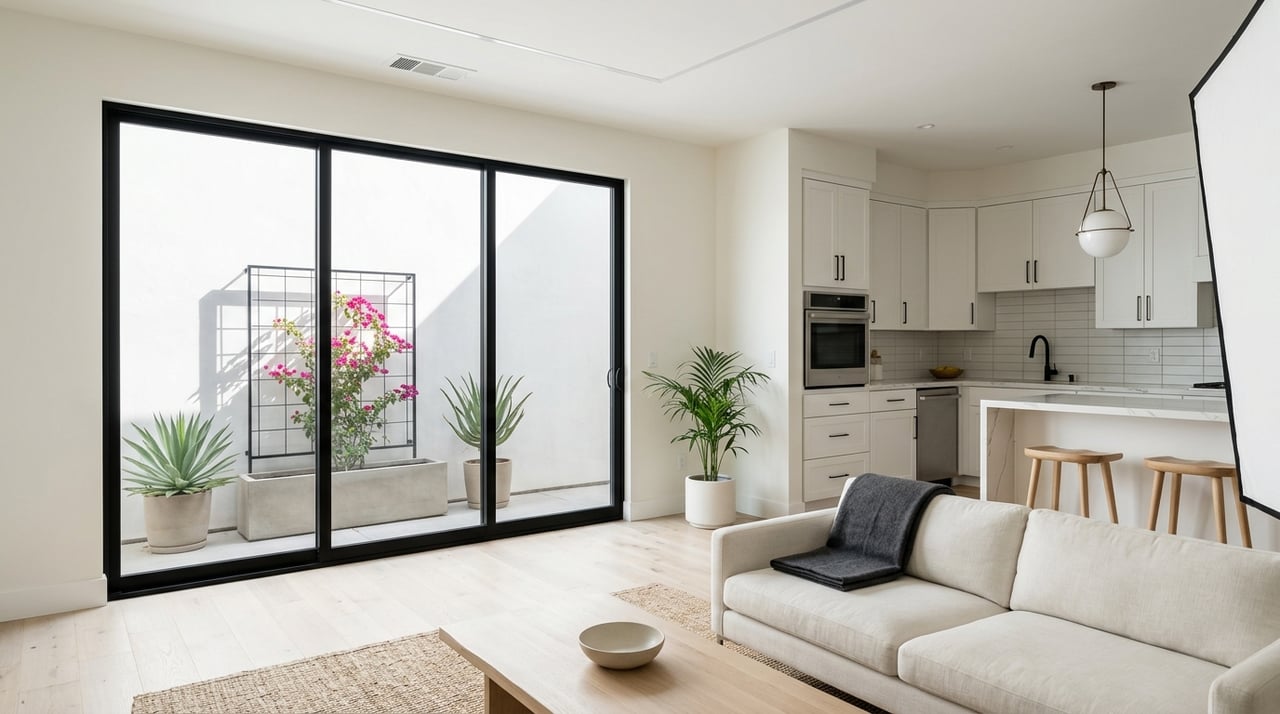
Staging can have an outsized impact without the cost of renovation. The 2025 NAR staging report found that 83% of buyers’ agents said staging made it easier for buyers to visualize a property as a future home.
The rooms most commonly staged were the living room, primary bedroom, and dining room. NAR also reported a median staging service cost of $1,500, which is often far less than the cost of a major remodel.
Support the Updates With Strong Marketing
Even the right improvements need the right presentation. NAR’s May 2025 findings showed that buyers’ agents viewed photos, traditional staging, videos, and virtual tours as important.
That matters in Seal Beach, where buyers are often browsing carefully and comparing multiple homes online before deciding what to see in person. Professional photography, video, and immersive visual marketing can help your home feel more polished and more valuable from the start.
What About Selling As-Is in Seal Beach?
Selling as-is can absolutely be the right choice in some situations. If the home needs more than cosmetic work, if timing is tight, or if you do not want to manage renovation decisions, listing as-is may protect your time and reduce risk.
But as-is does not mean no disclosures. In California, the Real Estate Transfer Disclosure Statement is required for most 1 to 4 unit residential transfers, and it specifically asks about additions, structural modifications, or other alterations made without necessary permits.
As-Is Works Best in Specific Cases
Selling as-is may make sense if:
- The property needs extensive repairs
- You are dealing with an estate or probate timeline
- You are relocating and need speed
- Permit questions make additional work less practical
- The likely return on improvements is too uncertain
In those cases, a smart pricing and marketing strategy can be more valuable than starting a renovation you may not finish profitably.
A Simple Decision Test for Sellers
If you are unsure what to do, use this quick framework before spending money.
Renovate First If the Project Is:
- Easy to see
- Relatively low cost
- Fast to complete
- Unlikely to trigger a permit delay
- Likely to improve photos, showings, or curb appeal
Skip It If the Project Is:
- Structural or complex
- Permit-heavy
- Expensive relative to likely return
- Likely to delay your listing by weeks
- Based more on personal taste than broad buyer appeal
This approach helps you protect what matters most: your timeline, your sale price, and your net proceeds.
The Real Goal Is Net Proceeds
It is easy to get pulled into the idea that you need to fully renovate to compete. In Seal Beach, the data points to a more practical answer. Buyers want homes that feel cared for, clean, and move-in ready, but that does not automatically mean a full remodel.
For many sellers, the winning formula is simple: handle cosmetic updates, improve curb appeal, stage key rooms, and pair it all with strong marketing. That gives buyers the presentation they want while helping you keep more of your equity.
If you are weighing whether to renovate, sell as-is, or focus on a lighter pre-listing plan, 1% Listing Broker can help you build a strategy around your timeline, your home, and your bottom line.
FAQs
Should you do a full kitchen remodel before selling a Seal Beach home?
- Usually no. Pacific-region data shows a minor kitchen remodel has a much stronger resale case than a major kitchen renovation, which often recoups far less of its cost.
What repairs matter most before listing a home in Seal Beach?
- The most practical pre-sale improvements are usually cleaning, decluttering, paint, minor cosmetic repairs, curb appeal work, and staging key spaces buyers notice first.
Does Seal Beach require permits for pre-sale home updates?
- Some finish work like painting, tiling, carpeting, cabinets, and countertops is exempt, but additions, conversions, remodels, and tenant improvements may require planning approval and plan check.
Can you sell a Seal Beach house as-is and still avoid repairs?
- You can sell as-is, but you still need to follow California disclosure rules. As-is does not remove the obligation to disclose known issues or past alterations that may have lacked permits.
Is staging worth it when selling a Seal Beach home?
- In many cases, yes. NAR found that staging helps buyers visualize a home more easily, and the median staging cost was reported at $1,500.
How do you decide whether to renovate or list now in Seal Beach?
- A good rule is to choose updates that are visible, low cost, and fast, and avoid major projects that require permits, multiple trades, or long delays unless there is a clear functional issue to solve.