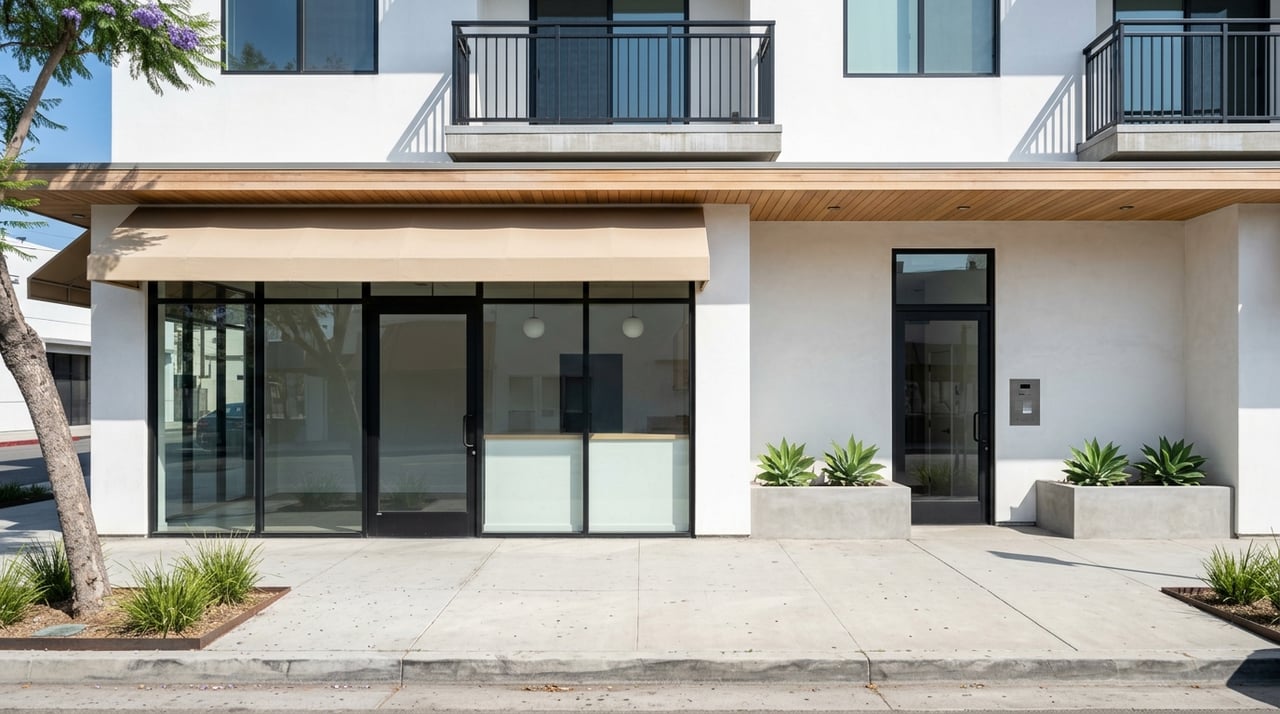
If you want a more walkable lifestyle in Orange County, Costa Mesa deserves a close look. Not every part of the city works the same way, but a few mixed-use pockets make it easier to live near dining, shopping, entertainment, and everyday errands without needing to drive for every small trip. If you are exploring a condo, townhome, or low-maintenance home in Costa Mesa, this guide will show you where the strongest walkable clusters are, what kind of housing you can expect, and how to think about value in each area. Let’s dive in.
Why Costa Mesa Stands Out
Costa Mesa sits in a central Orange County location about one mile from the Pacific Coast, and the city is known for major destinations like South Coast Plaza, Segerstrom Center for the Arts, The LAB, The CAMP, and the SoCo Collection. That mix gives the city a strong lifestyle appeal for buyers who want more than a residential-only setting.
At the same time, it helps to stay realistic about how walkability works here. Costa Mesa has a Walk Score of 65 overall and is more bus-oriented than rail-oriented, so the most car-light routines tend to happen in specific pockets rather than citywide. In other words, where you buy matters a lot.
What Mixed-Use Living Means
In Costa Mesa, mixed-use living usually means homes near a combination of retail, restaurants, offices, entertainment, and public gathering spaces. In some cases, city planning also supports live/work formats and residential space above ground-floor commercial uses.
For you as a buyer, that can translate to a more convenient daily routine. You may be able to walk to coffee, dinner, services, or evening activities, while still having access to larger Orange County job centers and coastal destinations.
South Coast Metro Offers the Strongest Cluster
South Coast Metro is one of the clearest examples of walkable mixed-use living in Costa Mesa. Around South Coast Plaza and the Segerstrom Center for the Arts, you get a concentrated group of shopping, dining, and cultural destinations within a few blocks.
South Coast Plaza alone includes more than 30 eateries, and Metro Pointe adds more open-air retail and entertainment nearby. SOCO and The OC Mix bring another layer with a design-focused, food-hall-style environment that includes more than 70 curated restaurants, showrooms, and stores.
If your ideal lifestyle includes being close to dining options, performances, and everyday conveniences, this area is hard to ignore. It is one of the most complete amenity clusters in the city.
Transit in South Coast Metro
Costa Mesa is not rail-centered, but South Coast Metro does have practical transit support. OCTA Route 553 serves the South Coast Plaza area and connects Anaheim to Costa Mesa.
That does not make the area car-free in the way some urban cores are, but it does support a more flexible routine. For some buyers, that added connection can make this pocket more appealing than areas that rely almost entirely on driving.
SoBECA Feels Creative and Community-Oriented
If you like a more arts-forward, indoor-outdoor setting, SoBECA is a standout. This area along the Bristol corridor is anchored by The LAB and The CAMP, two well-known Costa Mesa destinations that blend cafes, restaurants, retail, art, and shared gathering space.
The LAB describes itself as an indoor-outdoor hangout, while The CAMP centers on an eco-conscious retail campus and community events. Together, they give this part of Costa Mesa a distinct identity that feels different from a traditional shopping district.
Costa Mesa planning materials also support the mixed-use story here. The SoBECA overlay allows mixed-use development, including live/work, which fits buyers looking for a neighborhood with a more flexible and modern feel.
SoBECA Walkability and Housing Range
SoBECA has a Walk Score of 63, a Transit Score of 41, and a Bike Score of 45. Those numbers suggest a moderately walkable environment, especially if your daily habits are centered near the main amenity blocks.
Price-wise, current condo examples in SoBECA range from about $635,000 to $799,000. That makes it one of the more approachable entry points for buyers who want a Costa Mesa mixed-use lifestyle without jumping straight into the higher price bands seen in other pockets.
Eastside Costa Mesa Brings Coastal Convenience
Eastside Costa Mesa has a different kind of appeal. Its focal point is East 17th Street, an active corridor with restaurants, shopping, and social spots about a mile from the coast.
For buyers who want a walkable stretch with easy access to beach-adjacent living, Eastside often lands on the shortlist. The East 17th Street Specific Plan covers roughly 33 acres, which shows this corridor has a defined planning framework rather than a scattered pattern of uses.
Redfin rates Eastside Costa Mesa with a Walk Score of 67, making it one of the stronger walkable pockets in the city. If your goal is to combine neighborhood convenience with a near-coastal location, Eastside checks a lot of boxes.
Eastside Price Context
Current Eastside condo inventory shows a median listing price around $1.1 million, with active examples ranging from the mid-$800,000s to the high-$1 millions. That spread gives you a sense of how much pricing can change based on size, condition, amenities, and distance to the most active blocks.
You will also find a mix of condos, townhomes, and multifamily options alongside detached homes. That variety can be helpful if you want lower-maintenance living but still want choices in layout and price point.
Westside Costa Mesa Shows Future Growth
Westside Costa Mesa is one of the city’s most important mixed-use growth areas. City planning documents describe the 19 West Urban Plan as a way to foster mixed-use urban villages along West 17th Street, West 19th Street, and Superior Avenue.
The Harbor Mixed-Use overlay is also intended to create a more integrated and walkable balance of commercial, office, neighborhood-serving uses, and housing. On top of that, the Mesa West Residential Ownership Urban Plan encourages owner-occupied condos and planned unit developments.
This matters because it shows Westside is not just changing by chance. It is being shaped through clear planning policies that support the kind of walkable, corridor-based living many buyers are now looking for.
Westside Housing and Lifestyle
Westside has a Walk Score of 66, which places it among Costa Mesa’s more walkable areas. The neighborhood also supports a range of residential formats, including condos, townhomes, multifamily properties, and detached homes.
Current condo inventory has a median listing price around $1.3 million. That positions Westside above SoBECA and Eastside in many cases, though actual value depends on the specific property, location within the district, and the level of updates or amenities.
What Prices Look Like Across Costa Mesa
Costa Mesa’s broader market gives useful context for these mixed-use pockets. In May 2026, the city’s median sale price was about $1.42 million, with condo and co-op medians around $909,655 and townhouses around $885,174.
That tells you mixed-use living in Costa Mesa is not one single price category. Depending on the pocket, you can find condo options that start in the mid-$600,000s, as well as premium condo and townhome options well above $1 million.
Here is a simple way to think about it:
| Area | Walkability Context | Housing Price Snapshot |
|---|---|---|
| South Coast Metro | Strong amenity cluster near shopping, dining, and arts | Varies by project and proximity |
| SoBECA | Creative mixed-use pocket with moderate walkability | Condos about $635K to $799K |
| Eastside | Walkable 17th Street corridor near the coast | Condo median around $1.1M |
| Westside | Mixed-use infill and growth corridor | Condo median around $1.3M |
Why Planning Matters for Buyers
Costa Mesa’s mixed-use future is not just about current hotspots. The city’s 2026 Housing Element update says the Mixed-Use Overlay District is being applied to Housing Element opportunity sites, with a 2021 to 2029 RHNA target of 11,760 units.
The city also states that this added residential or mixed-use capacity is being focused on commercial and industrial opportunity sites rather than existing residential neighborhoods. For buyers, that is an important clue about where future walkable housing growth is most likely to happen.
One Metro West is a major example. The city describes the project as allowing up to 1,057 rental units along with specialty retail, creative office, and recreational uses on a 15.23-acre site.
How to Choose the Right Walkable Pocket
The best Costa Mesa mixed-use area for you depends on your lifestyle more than any single score or price point. A buyer who wants arts, coffee spots, and a more creative setting may prefer SoBECA, while someone focused on high-density amenities and entertainment may lean toward South Coast Metro.
If being closer to the coast is the priority, Eastside may feel like the right fit. If you want an area shaped by longer-term mixed-use planning and infill growth, Westside deserves a serious look.
A few questions can help narrow it down:
- Do you want daily errands within a short walk, or mostly dining and entertainment?
- Are you looking for a condo entry point or a higher-end townhome-style option?
- Do you want a more established amenity cluster or an area with future growth potential?
- How important is access to bus service versus mostly driving?
What Sellers Should Know
If you own a condo, townhome, or house near one of Costa Mesa’s walkable mixed-use corridors, your location story can matter a lot in marketing. Buyers often respond to proximity to dining, retail, cultural destinations, and lower-maintenance living options, especially in central Orange County.
That means strong listing presentation is important. Professional photography, drone media, floor plans, and a clear neighborhood story can help buyers understand not just the home itself, but the lifestyle around it.
If you are thinking about selling in Costa Mesa and want to keep more of your equity while still getting full-service marketing and transaction support, 1% Listing Broker can help you evaluate your home’s position in today’s market.
FAQs
What does walkable mixed-use living in Costa Mesa mean?
- It usually means living near a cluster of homes, restaurants, retail, entertainment, and services in the same area, often along key corridors like South Coast Metro, SoBECA, Eastside, or Westside.
Which Costa Mesa area has the strongest mixed-use amenity cluster?
- South Coast Metro is one of the strongest clusters because shopping, dining, and performing arts destinations are concentrated within a few walkable blocks.
Is all of Costa Mesa easy to live in without a car?
- No. Costa Mesa is more bus-oriented than rail-oriented, so the most car-light lifestyles tend to work best in specific walkable pockets rather than across the entire city.
What is the price range for mixed-use-style condos in Costa Mesa?
- Based on current examples and market context, condo options can range from the mid-$600,000s in SoBECA to well above $1 million in Eastside and Westside, depending on location, size, and amenities.
Is Westside Costa Mesa still developing as a mixed-use area?
- Yes. City planning documents show Westside is a key mixed-use infill district, with plans intended to support urban villages, owner-occupied housing, and a more walkable balance of uses.
Are there transit options near South Coast Metro Costa Mesa?
- Yes. OCTA Route 553 serves the South Coast Plaza area and connects Anaheim to Costa Mesa, which can support a more flexible routine in that part of the city.