Selling a condo in Huntington Beach can feel like a side-by-side comparison test. Buyers are not just looking at your home. They are often comparing your unit to others in the same community and across a large Orange County condo market. If you want to protect your bottom line without cutting corners on exposure, this guide will show you how a 1% listing can work, what condo sellers need to prepare for, and where the biggest value decisions happen. Let’s dive in.
Why Huntington Beach condo sales are different
Huntington Beach is a strong but competitive condo market. Current market data shows about 90 condos for sale in Huntington Beach at a median listing price of about $746,000, with roughly 61 days on market. Across Orange County, there are more than 1,600 active condo listings at a median listing price around $749,000 and about 53 days on market.
That means your condo is competing on two levels. First, it is competing with similar units in your own building or project. Second, it is competing with the wider condo inventory across the area.
For many buyers, the decision is not just about square footage or finishes. It often comes down to monthly HOA dues, parking, layout, amenities, reserve funding, and any known HOA issues that could affect future costs or financing.
Why a 1% listing matters
If you own a Huntington Beach condo, you likely have meaningful equity tied up in your property. A lower listing fee can make a real difference in what you keep at closing, especially in a market where pricing is already high.
At Huntington Beach’s median condo sale price of $746,717, a 1% listing fee works out to about $7,467. A 2.5% listing fee would be about $18,668, which is a difference of roughly $11,201.
For a townhome at Huntington Beach’s median sale price of $1,075,211, a 1% listing fee is about $10,752. A 2.5% listing fee is about $26,880, which creates a difference of roughly $16,128.
That savings matters, but only if you still get the kind of marketing and transaction support buyers expect. In a condo sale, lower cost should not mean lower visibility.
Full-service marketing still matters
A 1% listing works best when it is paired with a strong launch plan. Broad MLS exposure, online distribution, open houses, signage, social media, and competitive pricing all help buyers find and compare your property quickly.
Visual presentation also carries a lot of weight. Recent staging survey data found that 73% of buyers’ agents said photos were much more or more important to buyers, while 48% said that about video and 43% said that about virtual tours.
That lines up with how buyers shop for condos today. If your listing photos are weak, cluttered, dark, or outdated, buyers may move on before they ever step inside.
At 1% Listing Broker, the value of a lower fee is paired with the full-service tools sellers expect, including professional photography, drone video, Matterport tours, MLS exposure, portal syndication, e-sign tools, negotiation support, and transaction coordination. That is especially important in Huntington Beach, where polished presentation can help your condo stand out against nearby alternatives.
Price and positioning are critical
Condo pricing is rarely just about the unit itself. Buyers often compare nearby listings with very similar floor plans, bedroom counts, and square footage. If two homes look close on paper, they tend to focus on the details that affect lifestyle and monthly cost.
Those details can include:
- HOA dues n- Parking rights and number of spaces
- Balcony, patio, or outdoor use
- In-unit updates and condition
- Community amenities
- Reserve funding and planned assessments
- Rental or pet restrictions
That is why pricing strategy needs to reflect the full picture. A well-marketed condo with a realistic price and clear HOA information often puts sellers in a stronger position than a listing that starts high and leaves buyers guessing.
HOA documents can shape buyer confidence
For condo and townhome sellers in California, the HOA document package is not a minor detail. It is one of the most important parts of the sale.
Under California Civil Code 4525, sellers in a common-interest development must provide buyers with a range of HOA-related documents. These can include governing documents, recent budget and financial information, unpaid-charge statements, unresolved violation notices, approved but not yet due assessment changes, rental restriction information, board minutes on request, and the most recent exterior elevated element inspection report.
Buyers review these materials closely because they can reveal future costs, project maintenance issues, or restrictions that affect daily use of the property. If the documents raise concerns late in the process, a sale can slow down or fall apart.
Order the resale packet early
One of the smartest first steps is ordering the HOA resale packet as early as possible. Under California Civil Code 4530, the HOA has 10 days after a written request to provide the requested documents, and the seller pays the cost.
That timing matters. If you wait until your condo is under contract, you may lose valuable days during escrow while everyone waits for paperwork.
Ordering early gives you time to review the documents before buyers do. That can help you spot issues, prepare explanations, and avoid surprises.
Reserve health and assessments matter
Many buyers want to know whether the HOA appears financially stable. California Civil Code 5570 requires an assessment and reserve funding disclosure summary that shows the regular assessment, any scheduled special assessments, whether reserves are projected to be sufficient for the next 30 years, and the reserve-funded percentage.
This summary can strongly influence buyer comfort. If reserves appear weak or a special assessment is coming, buyers may factor that into their offer or financing plans.
That does not mean your condo will not sell. It does mean you should be prepared to present the facts clearly and price accordingly.
Exterior inspections can affect the sale
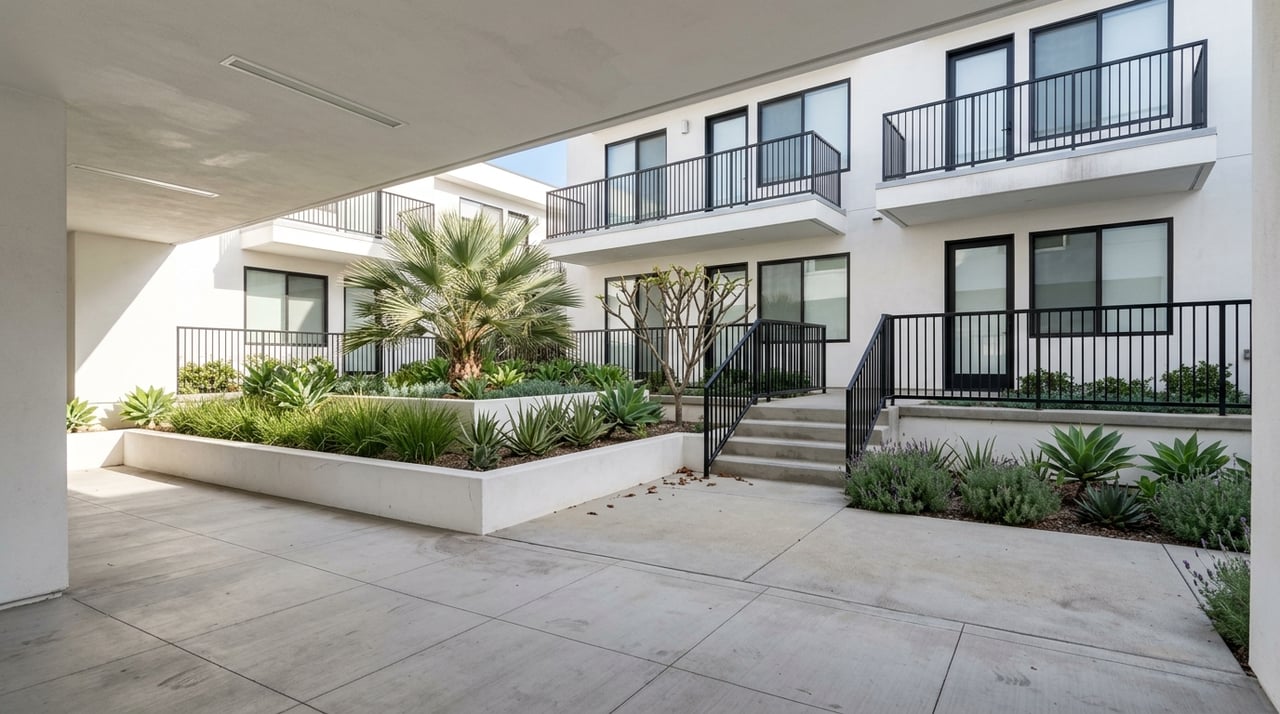
In many condo communities, buyers also want to know about balconies, walkways, decks, and similar structures. California Civil Code 5551 requires condominium associations to inspect a random and statistically significant sample of exterior elevated elements at least once every nine years and issue a written report on condition, remaining useful life, and recommended repairs.
For sellers, this matters because the most recent report may be part of the HOA document package. If repairs are recommended or unresolved, buyers may ask questions about scope, timing, and who is responsible.
Having that information ready can make your transaction feel more transparent and better organized.
Verify what comes with the property
With condos and some townhomes, parts of the property may not be owned in the way buyers assume. In California, parking spaces, balconies, patios, and driveways can be exclusive-use common areas rather than part of the deeded interior space.
That is why details should be verified through the deed and CC&Rs, not guessed based on appearance. If your listing says a parking spot, patio, or balcony comes with the property, buyers will expect that information to be accurate.
Clear documentation helps prevent confusion during escrow and supports buyer trust from the start.
Prep your condo before the camera arrives
Before your listing goes live, focus on presentation. Cleaning, decluttering, and staging can help your home look brighter, more spacious, and easier for buyers to picture as their own.
This step is especially important for condos, where room sizes may be modest and buyers often compare multiple similar floor plans online. A clean visual story can help your unit feel more inviting and memorable.
Staging can also help with value perception. Recent survey results found that 17% of buyers’ agents said staging increased the offer price by 1% to 5%, and many sellers’ agents said staging reduced time on market.
A practical selling sequence
If you are thinking about selling your Huntington Beach condo with a 1% listing, here is a smart order of operations:
- Request the HOA resale packet early so you are not waiting on documents during escrow.
- Review dues, reserves, assessments, and rules so you know what buyers will see.
- Verify parking, patios, balconies, and other use rights through your deed and governing documents.
- Prepare the home for media by cleaning, decluttering, and staging.
- Launch with strong marketing including professional photos, MLS exposure, digital distribution, and open house opportunities.
- Price against real condo competition in both your community and the broader Huntington Beach market.
- Stay ready for buyer questions about HOA health, restrictions, and inspection reports.
How a 1% listing supports your net proceeds
In a market like Huntington Beach, many sellers are looking for two things at once. You want strong marketing that helps your condo compete, and you want to keep more of your equity.
That is where the 1% model can make sense. If the listing still includes the exposure, visuals, negotiation, and transaction support buyers expect, lowering the seller-side fee can improve your net without reducing the professionalism of the sale.
For condo owners, that can be a meaningful advantage. You are already selling in a category where buyers pay close attention to fees, monthly costs, and value. Keeping your own selling costs lean can help you come out ahead.
If you are planning to sell a Huntington Beach condo or townhome and want a practical strategy that balances savings with real marketing power, 1% Listing Broker can help you price, prepare, and launch with confidence.
FAQs
What does a 1% listing mean for a Huntington Beach condo seller?
- A 1% listing means the seller pays a 1% listing fee on the sale price, which can reduce selling costs while still allowing for full-service marketing and transaction support.
Why do HOA documents matter when selling a Huntington Beach condo?
- HOA documents help buyers evaluate dues, reserves, assessments, rules, violations, and project condition, all of which can affect buyer confidence and the path to closing.
When should a California condo seller order the HOA resale packet?
- A California condo seller should order the HOA resale packet as early as possible because the HOA has 10 days after a written request to provide the documents, and delays can affect escrow timing.
What do buyers compare when shopping for Huntington Beach condos?
- Buyers often compare HOA dues, layout, parking, amenities, reserve funding, assessments, restrictions, and the overall condition of both the unit and the community.
Are Huntington Beach townhomes and condos always the same ownership type?
- No. A townhome describes the style of the property, but the legal ownership structure may be a condo or a planned development, so the deed and governing documents should be reviewed carefully.