Buying near the water in Huntington Harbour is exciting, but putting down thousands in earnest money can feel stressful. You want your offer to stand out without putting your deposit at unnecessary risk. The good news is that California contracts give you tools to protect yourself if you use them well.
In this guide, you will learn how earnest money works in Orange County, what deposit amounts are common for Huntington Harbour homes, how contingencies and timelines protect your funds, and smart strategies to compete without overexposing your cash. Let’s dive in.
What earnest money is
Earnest money is your good‑faith deposit that shows you intend to complete the purchase. In California, it is written into the purchase contract, commonly the California Association of REALTORS Residential Purchase Agreement, and is applied to your down payment or closing costs at closing.
Your deposit is held by a neutral escrow or title company named in the contract. The escrow holder releases or returns funds only according to the contract or written instructions signed by both buyer and seller. Because escrow is neutral and regulated, clear paperwork and timing are essential throughout the process.
Typical deposit sizes in Huntington Harbour
In Southern California, a typical earnest money deposit is about 1 to 3 percent of the purchase price for many transactions. For higher‑priced Huntington Harbour waterfront homes, deposits commonly run 2 to 5 percent, and sometimes more in very competitive situations.
Cash buyers or highly aggressive offers may offer 5 to 10 percent to stand out. On the other hand, some sellers may accept a lower deposit if other terms are strong, such as verified funds and a quick close. These are market conventions, not legal requirements, so your final number should reflect the property, the competition, and your comfort level.
How waterfront status affects amount
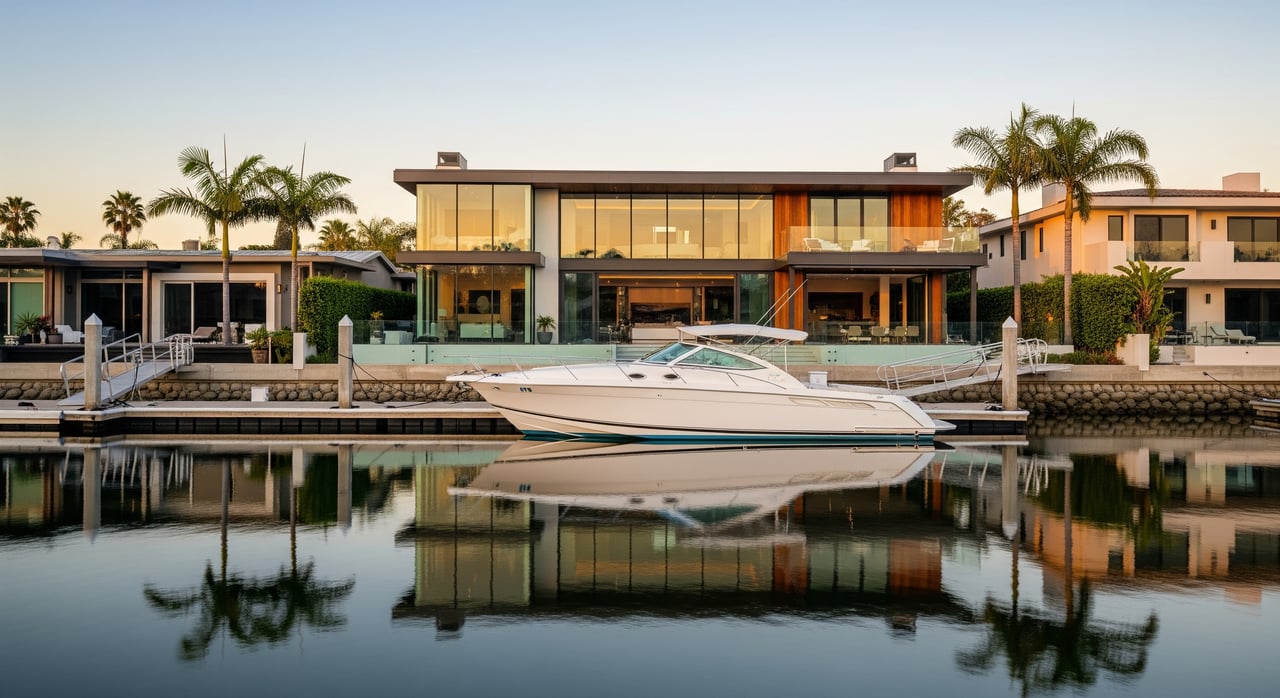
Waterfront homes tend to be more complex. Seawalls, docks, boat slips, flood risk, and association rules often require extra review. Sellers may expect a larger deposit to reflect the higher price point and the added complexity. You can still control risk by pairing a strong deposit with clear, well‑timed contingencies for specialized inspections.
When you pay and who holds it
The contract should state exactly when you must deliver the deposit and to whom. In Orange County practice, buyers usually deliver the deposit to the named escrow or title company shortly after the offer is accepted, often within 48 to 72 hours. Escrow then holds your funds and will only release them according to the contract or written mutual instructions.
Keep all receipts and confirmations. If your contract uses an initial deposit followed by an increase later, make sure the amounts, dates, and conditions are spelled out in writing.
Contingencies that protect your deposit
Contingencies give you the right to cancel under specific conditions within set timelines. If you cancel properly within an active contingency period, your deposit is generally refundable.
Common protections for Huntington Harbour buyers include:
- Inspection contingency, which can include structural, pest, and waterfront items such as seawalls, docks, piers, and boathouses.
- Loan or financing contingency if you are obtaining a mortgage.
- Appraisal contingency if you rely on a lender appraisal.
- Title and association document review, including CC&Rs and any harbor rules.
- Flood zone and insurance review, especially for waterfront properties.
- Sale of buyer’s home, if applicable.
Typical timelines in Orange County
Timelines vary by offer, lender, and market conditions, but these are common ranges locally:
- Inspection contingency: 7 to 17 days. Many waterfront buyers request 10 to 17 days to complete specialized inspections.
- Loan contingency: 14 to 21 days, depending on lender and loan type.
- Appraisal contingency: often 7 to 21 days, aligned with the lender’s schedule.
- Title and HOA review: commonly 5 to 10 days after delivery of documents.
- Escrow length: 30 to 45 days is common unless you negotiate a different closing timeline.
Shortening timelines can make your offer stronger, but only if you can realistically meet them with your inspectors and lender.
When you get a refund vs lose it
Your contract explains when your deposit is refundable and when it may be forfeited. Follow the notice rules in writing and on time.
Common refund scenarios
- You cancel within an active contingency period, such as after a major inspection finding, and you send the proper written notice before the deadline.
- Your lender denies financing within the loan contingency period, and you provide notice and documentation on time.
- The seller defaults, in which case you may be entitled to the deposit’s return or other remedies per the contract.
- Both parties sign written instructions to release the funds.
When sellers may keep the deposit
- You remove contingencies or let the deadlines pass, then fail to close for a reason not protected by the contract.
- You breach another key term of the agreement after protections are removed. Contracts can provide the seller multiple remedies, including keeping the deposit or seeking other damages, depending on the language.
How disputes are handled
Escrow is neutral. If buyer and seller do not agree on releasing funds, escrow holds the deposit until the parties provide matching written instructions or a court order. The strongest position comes from timely, written notices, clear documentation, and meeting all contractual deadlines.
Waterfront‑specific risks and checks
Huntington Harbour has unique items that can impact your deposit strategy and timeline. Build these into your contingency plan from the start.
Inspections to consider
- Seawall or retaining wall assessment and a dock, pier, or boathouse condition report.
- Pest and wood‑destroying organism inspection, with attention to moisture‑exposed areas.
- Slip size, depth, and mooring hardware review to confirm actual usability for your vessel.
- Survey or boundary verification for canal, tideland, or riparian questions.
- Flood zone determination and preliminary flood insurance quotes.
- Environmental review where relevant, such as historical harbor work or fill.
Harbor and HOA documents
Request and review association rules, CC&Rs, and any harbor regulations early. Confirm whether a boat slip is assigned, leased, or subject to waitlists. Check for special assessments tied to harbor maintenance or dredging and understand transfer rules for slip entitlements.
Insurance and lenders
Many lenders review flood zone status and may require flood insurance for certain locations. Even when not required, the cost and availability of coverage can affect your monthly budget and the ability to close. Obtain quotes early so your loan and appraisal timelines are not delayed.
Winning strategies with less risk
You can present a competitive offer while keeping your exposure measured. Here are proven tactics used locally.
Use a two‑stage deposit
Offer a reasonable initial deposit, such as 1 to 2 percent, then increase to a larger amount, such as 3 to 5 percent, after you remove key contingencies. This signals seriousness while limiting risk during the discovery phase. Make the amounts, dates, and triggers explicit in the contract.
Shorten timelines only if ready
A shorter inspection or loan contingency can help in a multiple‑offer situation. Line up your inspectors and lender before you write the offer so the compressed schedule is realistic. Never choose a timeline you cannot meet.
Strengthen other terms
Proof of funds, pre‑approval from a reputable lender, and a closing schedule that fits the seller’s needs can make a modest deposit more persuasive. Clear communication about your readiness often carries weight.
Avoid risky waivers
Waiving inspection or financing protections can win a bid, but it dramatically increases the chance of losing your deposit if something goes wrong. For waterfront properties, specialized inspections are important. Keep protections you truly need, then move quickly to complete them.
Step‑by‑step buyer checklist
- Get a strong pre‑approval and gather proof of funds.
- Line up inspectors for general, pest, and marine or seawall evaluations.
- Confirm flood zone status and request preliminary flood insurance quotes.
- Ask for HOA, harbor, and CC&R documents, slip details, and any dredging or maintenance assessments.
- Decide on deposit size and whether to use a two‑stage structure, then write the timeline precisely into the offer.
- Deliver the deposit to the named escrow holder on time and keep the written receipt.
A solid plan helps you compete for the right Huntington Harbour home while staying protected. If you want local guidance on deposits, timelines, and negotiation strategy, reach out to the team that lives and works these coastal transactions every day. To talk strategy or to get a pricing read on your current home, connect with 1% Listing Broker.
FAQs
What is earnest money in California real estate?
- It is a buyer’s good‑faith deposit held in escrow and applied to your down payment or closing costs if the sale closes, with rules set by your purchase contract and escrow instructions.
How much earnest money is typical in Huntington Harbour?
- Many Orange County deals use 1 to 3 percent, and Huntington Harbour waterfront homes commonly see 2 to 5 percent, with higher amounts in very competitive cases.
When is the earnest money deposit due after an offer is accepted?
- It is usually due to the named escrow or title company within 48 to 72 hours after acceptance, or as specified in the signed contract.
Which contingencies protect my deposit on a waterfront home?
- Inspection, loan, appraisal, title and HOA review, and flood and insurance review are common. Specialized seawall and dock inspections are often added in Huntington Harbour.
When can a seller keep my earnest money?
- If you remove protections or miss deadlines and then fail to close for a reason not covered by a contingency, the seller may be able to keep the deposit per the contract’s remedy language.